OpenAI expands into drug development with Orchestra Bio acquisition
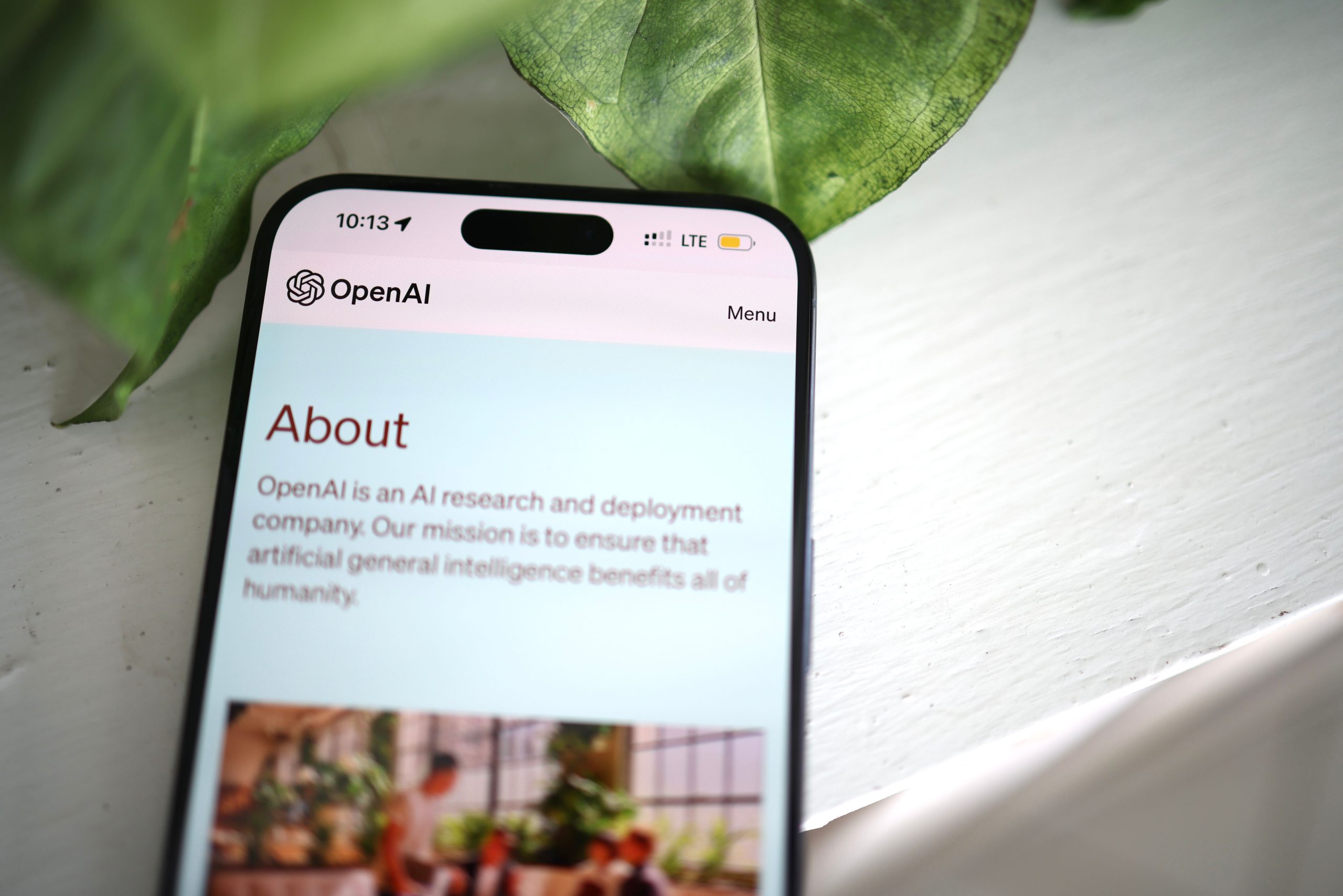
OpenAI has strengthened its push into drug development by acquiring Orchestra Bio, a company using AI agents to help bring new treatments from the laboratory to patients.
The acquisition aims to help scientists coordinate the research and operational work needed to turn discoveries into new medicines.
Developing a medicine takes an average of 10 to 15 years, from identifying a potential drug target to securing regulatory approval in the US.
The process involves multiple departments and external partners, often working across disconnected systems. OpenAI believes AI could help manage these complex workflows and free researchers to focus on scientific decisions.
Rosalind provides AI models and tools for life sciences research. GPT-Rosalind helps scientists tackle questions involving biology and chemistry, while Rosalind Workbench connects these capabilities with scientific tools and data to support analysis and experimental planning.
Orchestra Bio focuses on coordinating the work required to move potential treatments through development.
Its platform allows scientists and programme leaders to delegate tasks such as monitoring studies and tracking research activities to AI agents.
These agents are designed to help teams identify problems before they cause delays and assess possible responses.
For example, a failed manufacturing batch could delay the start of a clinical trial and disrupt other activities within a drug development programme.
Orchestra’s agents can identify which activities and timelines might be affected, gather relevant information and compare possible courses of action.
Scientists and programme leaders then use that analysis to decide how to respond.
By combining Orchestra with Rosalind, OpenAI aims to develop AI agents that connect scientific findings with the studies, decisions and next steps needed to advance potential medicines.
The company is also working with pharmaceutical businesses to explore how AI can support research and development.
Its partnership with Novo Nordisk aims to use the pharmaceutical company’s scale and scientific expertise to speed up research, development and commercial operations while maintaining strong governance.
At Moderna, AI is helping teams turn findings from complex data into experimental workflows, with the potential to accelerate research and development.
OpenAI’s longer-term aim is to support scientists throughout drug discovery and development, from exploring research ideas and designing experiments to interpreting results and coordinating the work needed to advance treatments.
The company hopes that combining Rosalind and Orchestra Bio will help researchers make more discoveries and bring new medicines to patients sooner.