



Bristol uni spinout raises £700k for vascular disease blood test
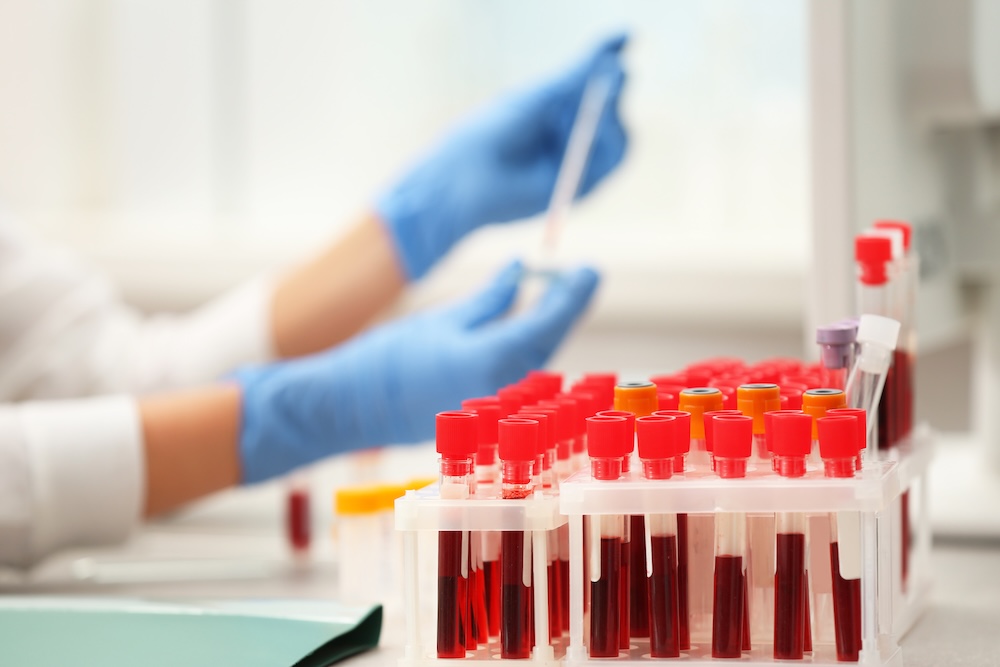
A University of Bristol University spinout has launched with more than £700,000 of pre-seed funding to develop a blood test for detecting and monitoring microvascular disease.
Dimension Technologies’ novel blood test aims identify biochemical signs of disease in the microvasculature, the network of microscopic blood vessels that delivers oxygen and nutrients throughout the body.
Damage to these vessels is linked to conditions including kidney disease, cardiovascular disease and dementia, but microvascular disease can be difficult to detect and monitor in clinical practice.

Dr Arne Scott, co-founder and chief executive of Dimension, said: “Doctors can see the consequences of microvascular disease every day, but they lack practical tools to measure it directly.
“Our goal is to make microvascular health measurable through a routine blood test, helping researchers develop better treatments, and enabling patients to benefit from earlier and more targeted interventions.”
The University of Bristol spinout’s technology measures changes in the glycocalyx, a sugar-rich layer coating the inside of blood vessels that is essential for healthy microvascular function.
When blood vessels are damaged, the glycocalyx changes in ways that can provide an early indication of disease.
Dimension’s platform analyses glycocalyx signatures carried on circulating red blood cells as they travel through the body’s microvascular networks.
This enables researchers and clinicians to create a biochemical fingerprint of microvascular health from a blood sample without specialised imaging equipment or invasive tissue biopsies.
Dimension was founded following decades of research by professor Simon Satchell and Dr Matthew Butler, members of the University of Bristol’s internationally recognised Bristol Renal research group and consultant nephrologists at North Bristol NHS Trust.
Their recent breakthroughs in glycocalyx biology were published earlier this year.
The scientific team also includes chief operating officer Dr Ulrike Gorochowski, formerly of Bristol spinout Rosa Biotech, and professor Steve Harper, co-founder of Exonate and IsomAb, both companies developing therapies for vascular disease.
The funding comprises £490,000 of investment from Kidney Research UK, the University of Bristol, local angel investors and the KQ Labs Accelerator at the Francis Crick Institute.
A further £215,000 has been secured through Innovate UK grant funding, including support from its Investor Partnerships programme.
Professor Satchell, co-founder of Dimension Biotechnologies, said: “Having studied the glycocalyx in the laboratory for more than 20 years, it is incredibly exciting to now have a viable way of measuring it in people.
“This assay has the potential to accelerate the development of treatments that could improve health and wellbeing by restoring the glycocalyx and blood vessel function.”
Dr David Crosby, chief research officer at Kidney Research UK, said: “We are proud to have previously supported the research underpinning Dimension Biotechnologies.
“Our new investment reflects our confidence in the science and its potential for real-world impact.
“As a partner in the Innovate UK Investor Partnership programme, we also helped secure matched grant funding, further accelerating progress towards patient benefit.
“This new blood test has the potential to give insights into blood vessel health that have not been possible before.
“This could open a new window of opportunity for earlier treatments in kidney disease, which is key to improving outcomes and the lives of patients. We look forward to hearing the results as this new technology is developed.”
Dimension plans to work with clinical, biotech and pharmaceutical partners to accelerate the development of next-generation therapies for diseases affecting the microvasculature, including cardiovascular, renal and metabolic disorders, helping ensure they reach the patients who will benefit most.






