Smartphone at 12 linked to eating disorder symptoms teens, study finds
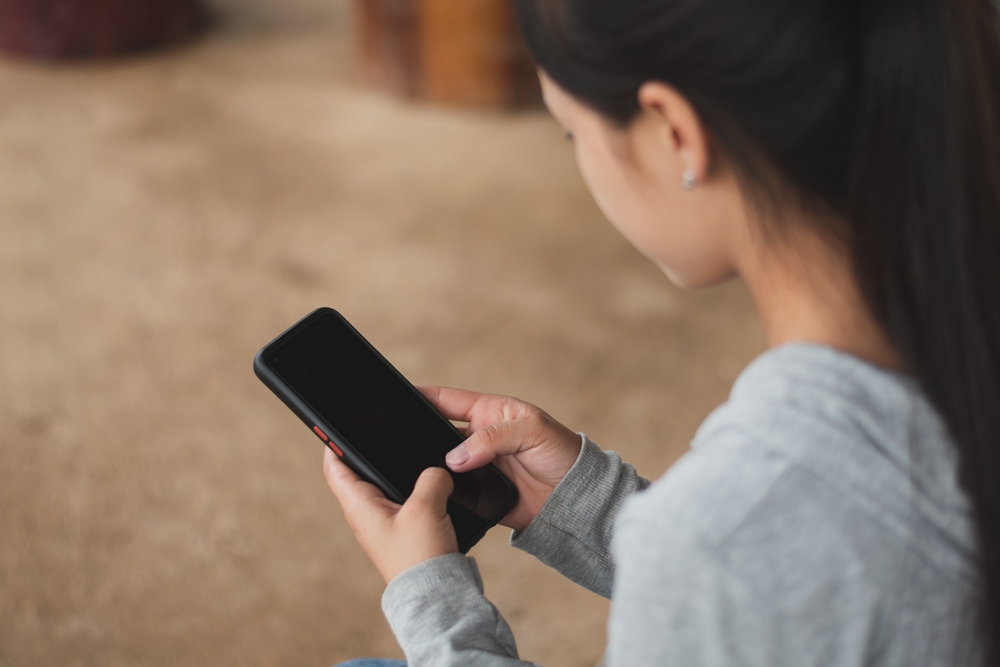
Smartphone ownership at age 12 was linked to higher rates of eating disorder symptoms by age 14 in a study of nearly 9,000 US adolescents.
Among children who owned a phone at 12, 24 per cent reported at least one eating disorder symptom two years later.
By comparison, less than 16 per cent of those who did not own a smartphone at 12 reported disordered eating at 14.

The research used data from the Adolescent Brain Cognitive Development Study, a large, long-term study of brain development and health in US children.
Researchers led by Dr Jason Nagata, associate professor of paediatrics at the University of California, San Francisco, found that 70 per cent of 12-year-olds in the study owned their own phone.
Nagata said: “A smartphone can put a world of appearance-focused content in a young person’s pocket,” exposing them to images and messages that may foster unhealthy eating behaviours.
“It’s important for parents to be aware that getting a smartphone isn’t just about the device. It can change a child’s access to different content and exposures in the digital world,” Nagata added.
The study examined the age at which children began using smartphones and whether this was associated with later signs of disordered eating.
Disordered eating can include a fixation on food or weight, distorted feelings about body shape and size, restricted eating, vomiting or excessive exercise to compensate for calorie intake. It differs from a diagnosed eating disorder largely in severity and whether diagnostic criteria are met.
Children who owned smartphones at age 12 were twice as likely to link their self-worth to their weight and 1.5 times more likely to have tried controlling their weight through measures such as eating low-calorie foods or exercising a lot, according to the study.
Nagata said comparisons with social media content could be one factor behind the association.
“But when you’re comparing yourself to influencers whose images are curated, edited and filtered,” he said, “that can lead to more body dissatisfaction and poor self-esteem, and then that can be a risk factor for eating disorders.”
Dr Mitch Prinstein, the John Van Seters Distinguished Professor of Psychology and Neuroscience at the University of North Carolina at Chapel Hill and codirector of the Winston Center on Technology and Brain Development, was not involved in the study.
He said emerging research suggested delaying access to phones and other devices by six months or a year may benefit children’s mental health.
“When children receive their own phones, Prinstein recommends parents let them “slowly, gradually get more exposure to social media over time. We don’t want to give them a completely unlocked phone with all the opportunities to visit whatever they want for as long as they want.”
Nagata said the study does not provide a “magic answer” for the ideal age to give a child a smartphone.
He said parents who give preteens their own phones could consider measures such as limiting which apps can be downloaded and keeping phones out of bedrooms.
“It’s so important for parents to stay involved with their children’s digital lives,” Nagata said.