AI could help millions more people access weight loss medications while improving treatment outcomes through personalised, round-the-clock support, a leading digital health expert has said.
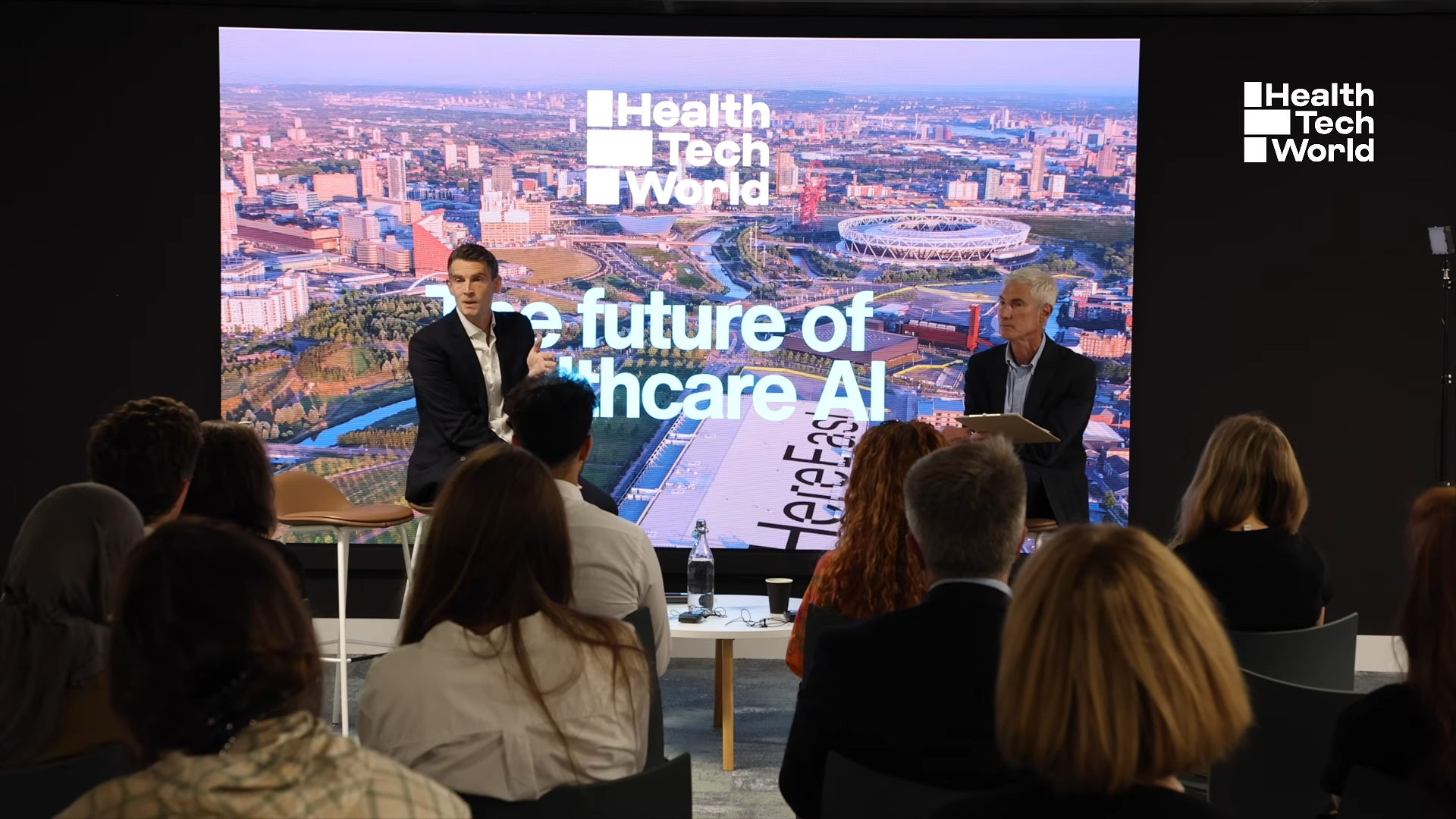
Speaking at Health Tech World Live in August, Dr James Harmsworth King, clinical spokesperson for the Coalition for Responsible Digital Health (CORD) and chief medical strategy officer at Numan, shared exclusive insights into how technology is transforming access to weight management services.
During a Q&A session titled Doing it right at scale: Responsible AI in health delivery, King said digital healthcare providers were already helping patients access treatments significantly faster than traditional services.
He estimated that around 2.5 million people in the UK were receiving weight loss medications, with approximately two million accessing them privately.
King highlighted long NHS waiting times and strict eligibility criteria as barriers to treatment, contrasting these with digital providers capable of offering access within days.
“The big thing is access, and it’s connected access that creates a longitudinal journey that’s frictionless and that supports patients through their entire journey, irrespective of where they are in the UK,” he said.
He explained that AI-powered coaching was helping providers deliver this support at scale while keeping clinicians responsible for medical decisions.
King revealed findings from an analysis of 100,000 patients undergoing weight loss treatment, which found similar outcomes among those using exclusively AI health coaches and those choosing human coaches.
Patients engaging with both AI and human coaching, however, experienced additional improvements in weight loss.
“If we add them together, so the patient is using both the humans and the AI coaching, maybe at three in the morning they wake up and they’re feeling a bit low, or they wake up and they’ve got a craving,” King said.
“Instead of waiting the next day for the human coach to check in, they’re able to get some immediate feedback, and what we’re seeing is an additional boost when you have a hybrid AI human coaching system.”
He cautioned that the analysis was not randomised and that differences between patients choosing AI and human coaching could have influenced the findings.
King also shared lessons from Numan’s six-month participation in the MHRA‘s AI Airlock programme.
He warned that AI tools require robust safeguards, particularly as patients increasingly turn to chatbots for health information.
“It’s not enough to say this is not medical advice. Patients will use it for medical purposes unless you put in the right guardrails, safety structures, and governance around it,” he said.
Beyond regulation, King identified fragmented health records as a major obstacle to delivering more effective, personalised care.
He argued that better data sharing between NHS and private providers, supported by greater patient control over health information, would be essential to unlocking AI’s potential.
Looking ahead, King predicted that falling prices for GLP-1 medications could make treatment accessible to significantly more people.
However, he stressed that expanding access must be accompanied by infrastructure capable of delivering safe, ongoing care.
“As more and more people use these drugs, as the cost comes down, we’re able to provide them safe access to not just treatment for their weight, but treatment for their health in general,” he said.
Health Tech World Live in 2027
Health Tech World is set to deliver three in-person events in autumn 2027, with the first panellists to be confirmed by the end of this year.
Would you like a seat at the table?
Email Health Tech World Live co-ordinator Gordon to find out how you can get involved.